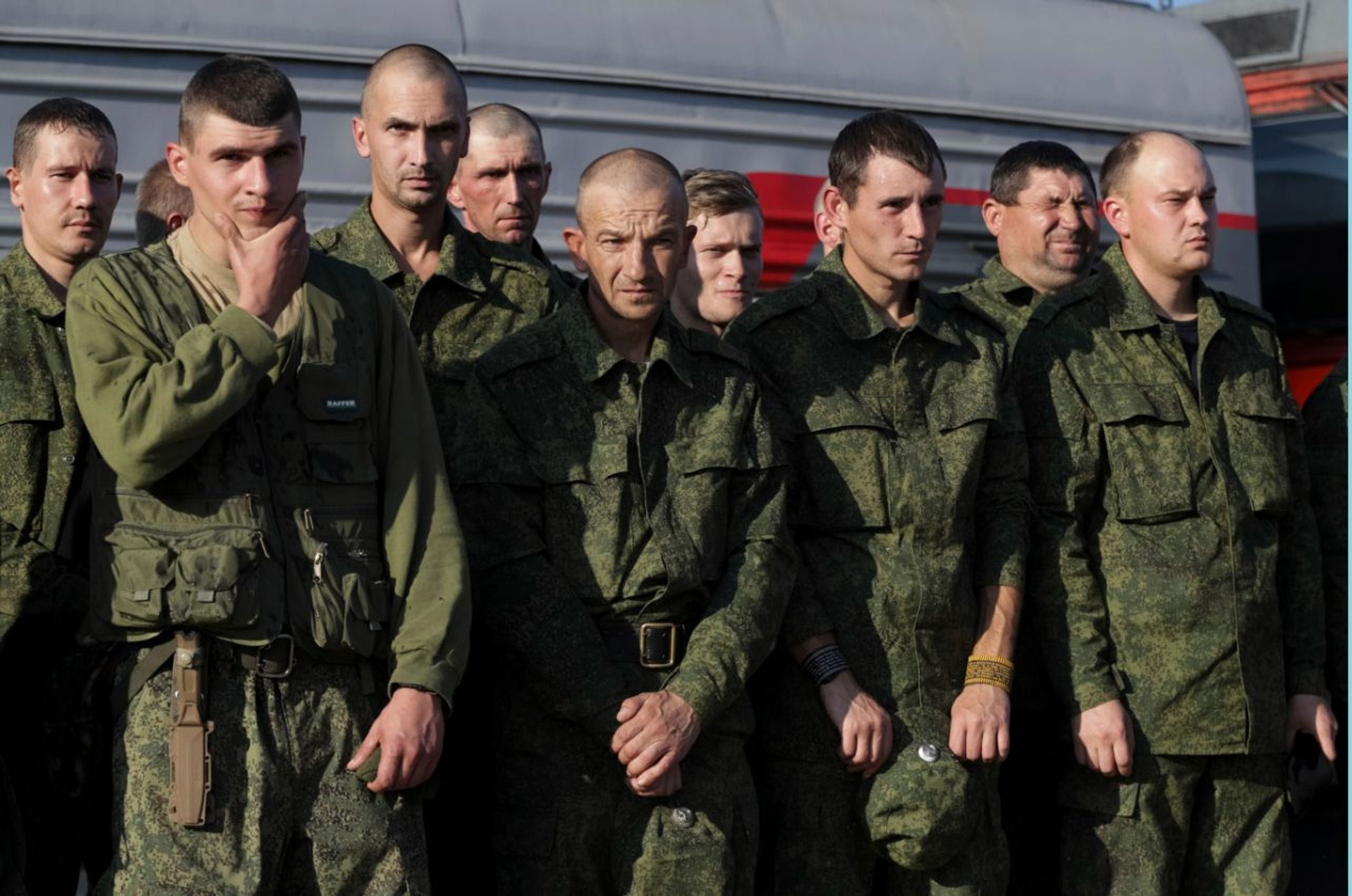
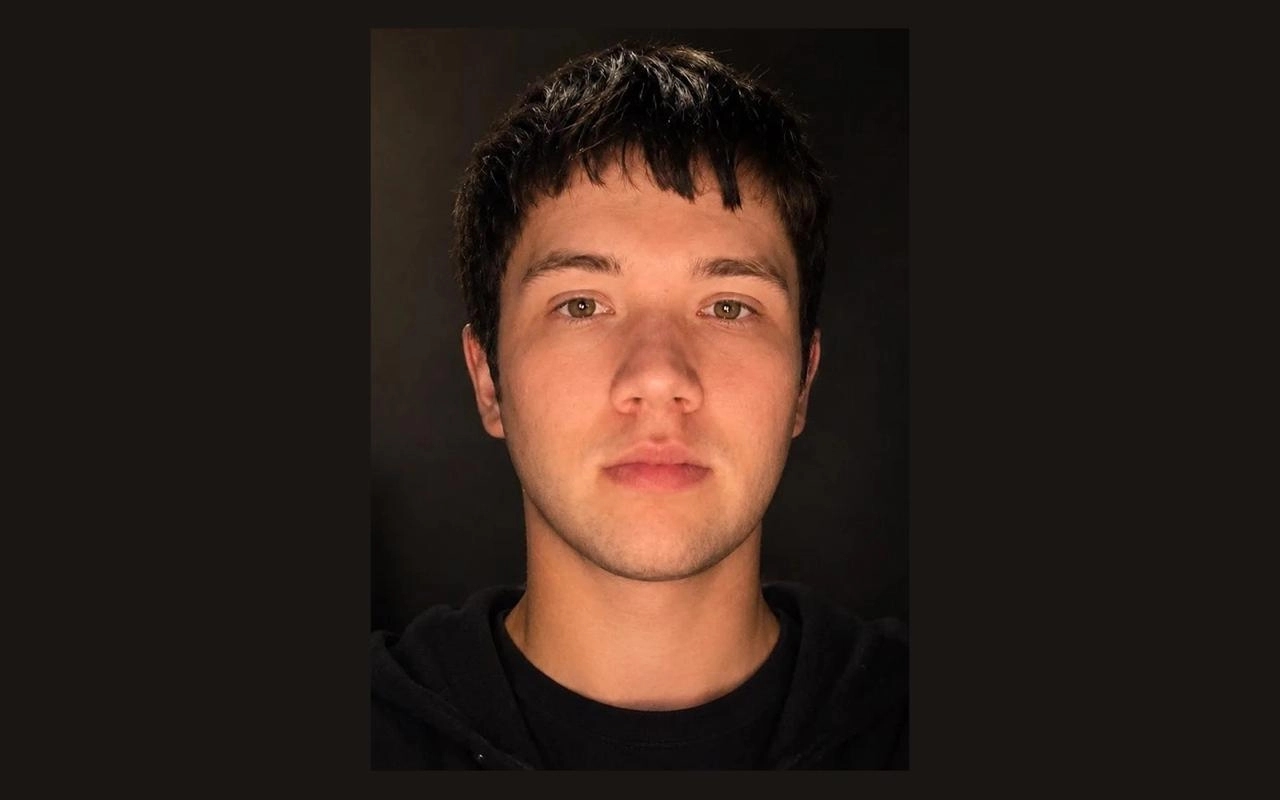
Andrei Chernenko, a junior sergeant from Russia’s 76th Guards Air Assault Division who fled the army, told The Insider about his work at the headquarters of the so-called “Pskov Division” — notorious for committing war crimes in Bucha. Among other things, Chernenko described how troop numbers are inflated to reassure the higher-ups in Moscow, how people bribe their way out of participating in assaults, what kind of gaps there are in the security system, and how high Russia’s actual battlefield losses might be.
How to stay at headquarters for $6,500
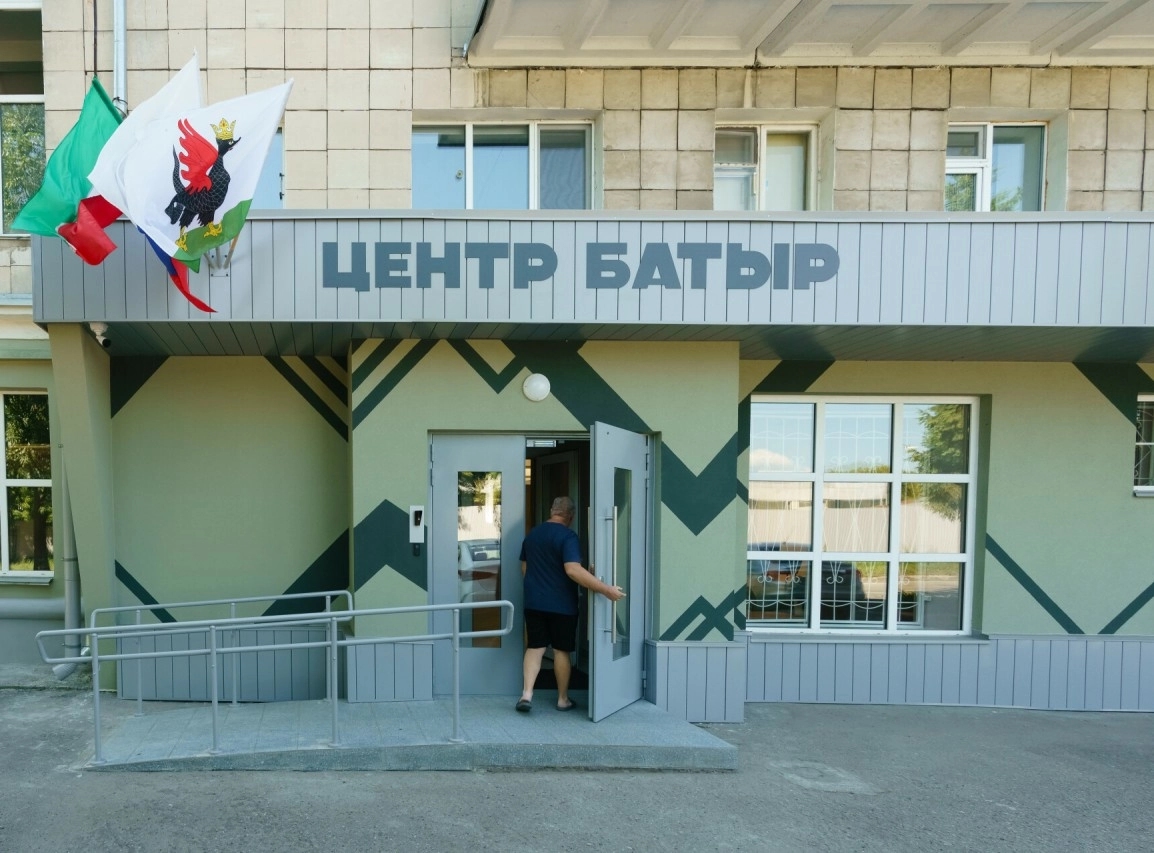
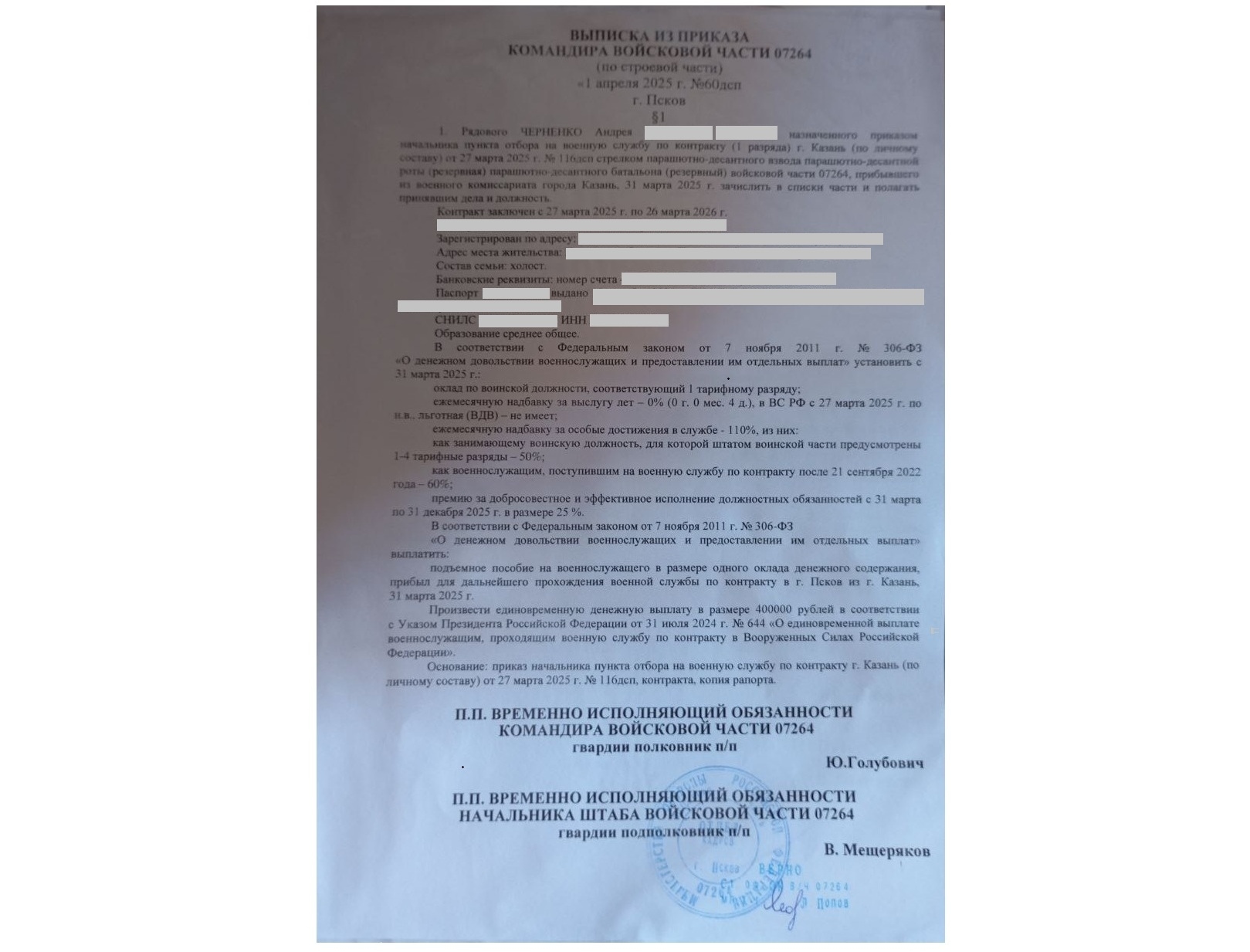
My name is Andrei Chernenko. I was born in the Voronezh Region. I am 23 years old. On March 26, 2025, I signed a contract at the "Batyr" recruitment point. I joined the army because of pressure from my stepfather. One day he got very drunk and wrecked my whole room, shouting that I wasn’t a real man — that I had done nothing useful with my life. I thought: “I’ll go to the front and he’ll see what kind of man I am.” To this day, I don’t understand how I fell for that provocation.
I also had some financial obligations to my grandfather — I had borrowed more than a million from him. He didn’t pressure me or ask me to repay the debt urgently. But the incident with my stepfather caused me a lot of stress, and I couldn’t find another way to solve my problems. I went to Kazan to sign the contract because at that point that region offered the largest payout, and I figured that if I were killed, my grandfather would get more money.
I found out later that the people selecting contract recruits take a cut from it: for each person who signed a contract, they received 100,000–120,000 rubles.
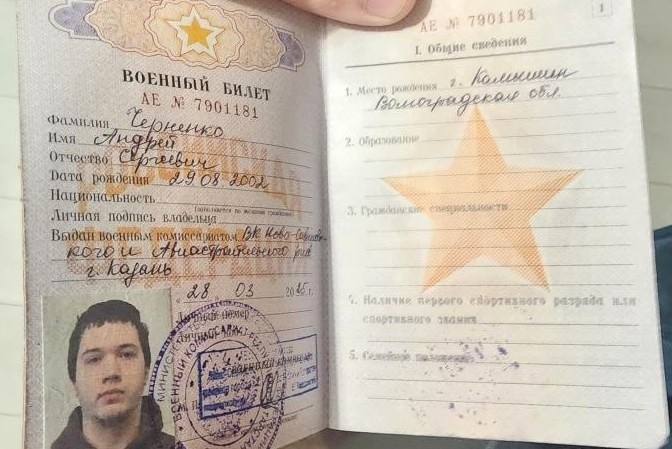
Three or four days after signing the contract, we were issued military ID books and VPDs and were sent to Pskov — to military base 07264. As a private, I was assigned to the reserve airborne battalion of the 76th Guards Air Assault Division. In September 2025 I was promoted to junior sergeant and appointed squad commander.
In practice, this reserve airborne battalion turned out to be a rather nominal unit: it consisted either of those who had been wounded or those who performed support functions in the war — the chief of staff’s driver, instructors, people who unofficially tracked down AWOLs.
Initially, I was supposed to be recruited by the UAV forces. When you fill out your military service application, you need to indicate previous employment. I had studied at Yury Gagarin Saratov State Technical University, though I didn’t finish it. Until April 2024 I worked at an IP telephony company called SIPUNI, so they decided I was a good fit for UAV operator training.
Those who were wanted for UAV battalions were added to a Telegram group called “UAV 2025.” All reservists from various recruitment points who potentially fit the criteria were invited. It should be noted that recruitment points have guidelines against sending 18- to 25-year-olds to assault units. But in military units, that rule no longer applies — the roulette wheel spins, and you end up wherever you’re needed. That’s what happened to me.
Two guys who traveled with me to Pskov were sent to the village of Cheryokha in the Pskov Region. I didn’t understand why at the time. But later, once I’d figured out how this sorry army works, I understood: they first select people by one criterion, then distribute them by another — wherever you fit best. The guys were assigned to military unit 32515. From there they were sent as assault troops to Ukraine, only to be killed in one of those assaults.
At the military base in Pskov, I immediately got to know the people I would be interacting with during my time at headquarters — deputy battalion commander Ipatov, recruitment coordinator Malanchenko, Lebedkova (head of mobilization and force management at headquarters), and junior lieutenants Leshchenko and Bilyashevich. We were billeted at the base, and they started explaining how things worked.
For a week, I went to headquarters every day. On the seventh day, Bilyashevich came up to me and said: “Let’s go for a walk.” He started quietly pitching me on staying at headquarters, but hinted that it wouldn’t be free. He initially named a sum of 200,000 rubles, then more. When the first money came in — the Ministry of Defense payment for signing the contract plus the regional payment — I first sent him 100,000, then another 400,000, and he said: “Okay.”
Later I found out I wasn’t the only one he had run this same scheme on. My fellow serviceman Vladimir Taranenko told me how he ended up at headquarters and how much he paid. Word was that some of this money went to “Tucha,” meaning Captain Sergei Chubenko, head of the mobilization and force management department.
Targets with Zelensky’s face
After this conversation, we were sent to exercises — first to a training ground in Lutuhyne in the [Russian-occupied part of] Luhansk Region, where personnel from all regiments of the 76th Division trained. In the nearby settlement of Myrne, armored vehicles used for training were kept.
When we arrived there, I was immediately sent to the division command post and tasked with handling the paperwork for reservists: we collected documents on them, counting how many had come through since the start of 2025. It turned out to be around 2,000—2,500 — that is, 26 rotations had passed through the Lutuhyne training ground alone. While I was dealing with the documents, the guys who came with me went to train.
Lutuhyne was relatively tolerable: there was a TV, a Starlink terminal. There was even a telecom tower 700–800 meters away. Drones often flew at night. Toward the end of the week I was told to get together with the guys I had arrived with. We were all billeted in a bunker. There were about 10—12 bunkers situated about 500—600 meters from the command post. They also had Starlinks inside. At night we were sent to shooting practice, even though the last time I had held a rifle was in school.
The next day we were sent to what they called “Peski” — the exact location was hard to find out. Everyone had their phones taken away. As I later found out, this was done because someone had filmed everything happening inside this training ground. And what was happening there was hell. The training ground was in a forest and was under construction — that is, we were supposed to be building it for about 20 hours a day.
What did it look like? Reveille at 04:00, drills until 14:00, work detail from 14:00 to 19:00, then duties. Two weeks of this. At “Peski,” there were convicts working alongside regular guys aged 18–25. Many had physical impairments. The training ground had targets with Zelensky’s face on them.
At “Peski,” there were convicts working alongside regular guys aged 18–25. Many had physical impairments
On our last day there, recruiters from the unmanned systems battalion arrived. They started selecting people based on the criteria: higher education, under 30 years of age, understanding of how technology works. I was selected too, but I declined because I had an arrangement with Bilyashevich to work at headquarters.
During my time at the training ground, I kept in touch with him. Since using the phone was forbidden, I could only check it at night when I went to the toilet. We corresponded through a secret chat on Telegram, with him telling me where and how much to transfer. I transferred with the comment: “For the car.”
“People who handle the staffing list cheat a lot”
On the 14th day at the Peski training ground, we were gathered and sent back to Lutuhyne. After one day there, we left for Zheleznogorsk in the Kursk Region, where the division was defending the state border at the time.
After Zheleznogorsk, I was transferred back to Pskov and assigned to headquarters — the mobilization and force management department, where I handled сombat personnel and equipment strength reporting. But in the end I was assigned to compile the daily order.
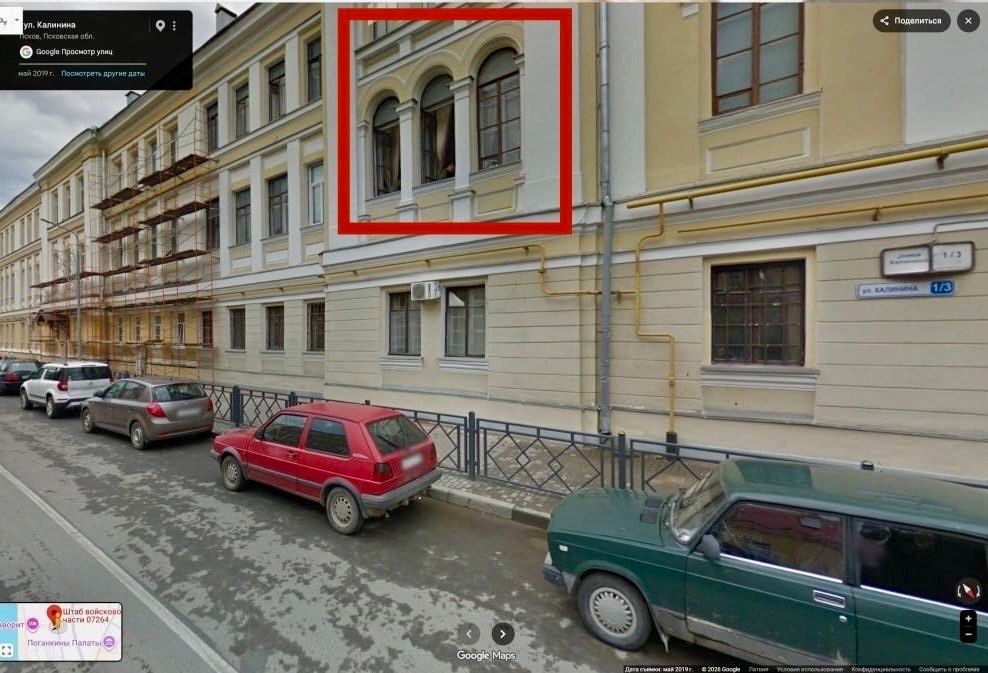
The headquarters is an office at a military base. You come in at eight in the morning and leave at ten in the evening. When I first arrived in Pskov, Svetlana Lebedkova was in charge. Under her leadership, the work schedule was more or less observed, and the atmosphere was tolerable.
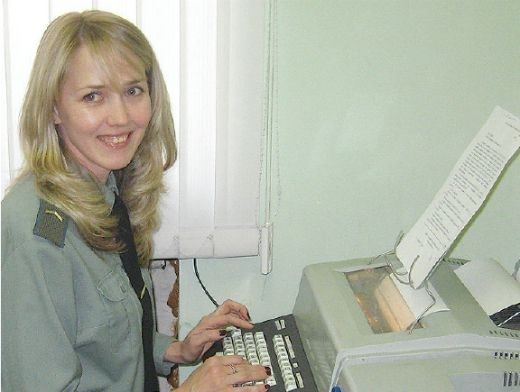
Then Denis Varakin arrived. He had previously been acting chief of staff at military unit 32515 of the 104th Regiment — the one that was in Bucha. Varakin set his own rules — he didn’t care about schedules or people. For any screw-up, he threatened to send you to the assault troops. He often said he would cut off my eyebrows and send me home in a coffin. If you were working inefficiently or less than 20 hours a day, you could easily be thrown into an assault. There was one officer in the 104th Regiment who handled the “staffing list,” meaning personnel work. He didn’t show up for duty for one day — he went to his mother’s grave — and was immediately thrown into an assault.
For any screw-up, Varakin threatened to send me to the assault troops, or to cut off my eyebrows and send me home in a coffin
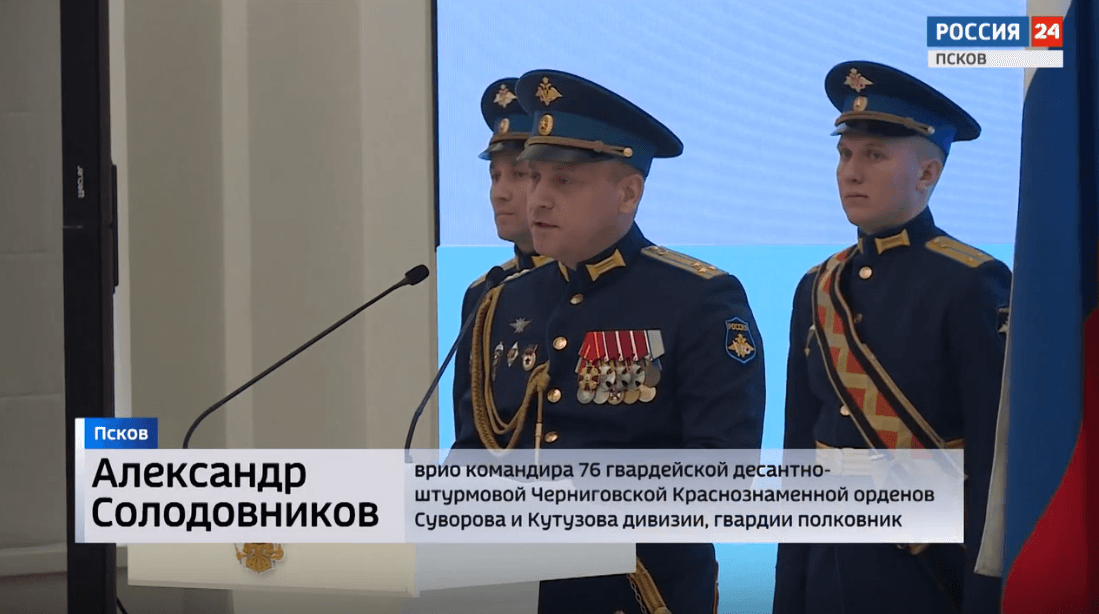
The acting chief of staff was Alexander Solodovnikov, a fairly demanding type. Once he didn’t like the way I was standing at attention. I have third-degree flat feet, so it’s hard for me to stand straight for a long time — my feet start hurting quickly. So I was standing not quite at attention, with my feet slightly turned out. He immediately said: “Call your commander.” I called Varakin, and we went into Solodovnikov’s office together. He asked: “Are you new? Have you been to war?” I said I hadn’t. He then said: “Don’t stand in front of me like that again — or you’ll be sent off.”
At some point, an order came from above that all mobilized soldiers within the division had to sign a contract. If they refused, they could be forcibly sent to assault units. And those who didn’t sign were immediately thrown into an assault. The recruitment target was set at around 1,500–2,000 troops, but was subsequently reduced to just 200 people. In my military unit, there were only 22 mobilized soldiers, and they were all under special monitoring.
After a while, another order came — to recruit from conscripts, forcing them to sign a contract. Inside the division headquarters, I don’t know of any cases of coerced contract signing, but in the regiments, things were chaotic.
Officers who submit combat and numerical strength reports to command and those who handle the “staffing lists” cheat very heavily. Taranenko was the one who compiled all the data from the military units within the division — the 104th Regiment, the 234th, the 237th — a total of 11. He compiled all of this and produced the combat personnel and equipment strength report for the whole division. And here’s the thing: there was one report for the division commander Shikhabidov and a different one for Moscow. Every day the BIChS report was sent to Moscow. Based on what I observed, figures for Moscow on manning levels were inflated by 10 to 20%.
My fellow serviceman Leshchenko told me about the casualties. He saw a document compiling losses from all Airborne Forces divisions. The net losses of the Airborne Forces from the start of the war through 2025 amounted to 19,500 people. He nearly got thrown in jail just for having seen that document.
“Security exists, but it’s a formality”
The headquarters uses both digital paperwork and hard copies. Computers inside the headquarters are divided into two types: “red” and “blue.” The “red” ones had classified access and stored data on combat personnel and equipment strength, rotations, killed servicemen, and orders marked “secret” and “top secret.” “Blue” computers were used for regular office work and had no access to classified data. The same principle applied to flash drives — those also came in “red” and “blue” and differed in their level of access. Each flash drive was a small rectangular box in a special housing. Inside was a note with the password. In essence, it was an ordinary SD card soldered to a USB controller. Moreover, “red” computers supported both “red” and “blue” flash drives, while “blue” ones only worked with matching drives.
But all these security measures were purely formal. Our department had two special computers for information exchange between the classified and non-classified networks and two special “red” password-protected flash drives used as an intermediary for transferring data between different access levels. So there are gaps in the system: with such flash drives you can leak anything. Moreover, there were cases of flash drives going “missing.”
By the way, the army started using Excel macros in 2022. Why? Because there were enormous losses and frantic rotation — that is, some movement of personnel happened every day. Based on what I saw with my own eyes, during periods of active combat the division was losing up to 200 people a week killed and missing in action. During quieter periods, this figure could be up to 100 people a week. When I left, the lists showed around 4,000 missing in action.
During periods of active combat the division was losing up to 200 people a week killed and missing in action
All computers at headquarters ran on Windows, but their settings and access were administered through a management system controlled by State Secret Protection officers, who managed access rights and could track any actions on computers through the Security Panel: which devices were connected, when, and what processes were run. We once had a computer locked because someone couldn’t remember the password QAE123. Inside headquarters, simple passwords are used: QASD, QWE123, QWE with exclamation marks and similar variations — they are practically the same on all computers.
In addition to the split into “blue” and “red” computers, headquarters had a separate computer connected to the ZSPD system — a protected data transmission network — for official correspondence. Technically, this network is based on an equivalent of standard mail protocols (e.g. SMTP), but in a closed and secure circuit. ZSPD came with tighter security requirements: a dedicated room, restricted physical access, fibre-optic connectivity. However, around 90% of archives were protected by passwords built on the same principle: the military unit number and department number. As a result, many passwords were predictable and repeated.
In practice, the headquarters had two main networks. The first, ATS-R, or the secure departmental network, was used for classified communications between units and calls to the division command post from the combat zone.
The other was ATS-O, an internal service network used within headquarters and across the region. Data on ATS-O can be intercepted. I didn’t personally encounter this, but I was told there were cases of Ukrainians exploiting this vulnerability. That is, with access to the telephone exchange or an account in the internal telephone system, you can place a call posing as a headquarters employee.
I should also note that information is often transmitted over ordinary mobile communications (GSM), despite all the protected channels. Security exists, but it is largely a formality. While it is observed at the division level, the compliance is poor — and only when the intimidating figures from the FSB come around.
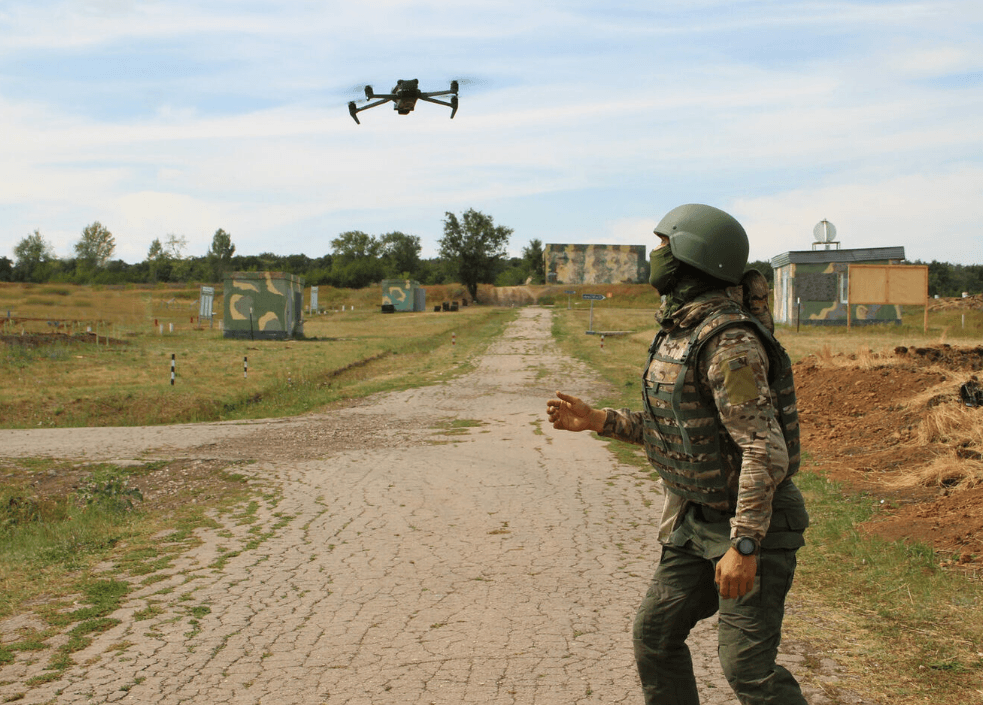
The same goes for electronic warfare tools at the headquarters: they do not work or work poorly. One employee flew a drone over the division headquarters — there was no effect at all from the EW, and this was never fixed.
We also used “Alushta”, a system resembling 1C that records all data on servicemen: rank-and-position categories, pay grades, accruals, and a host of other parameters. What does it look like? Each row lists a serviceman, the date of signing and expiry of the contract, personnel number, and pay grade. When I had access to it, the system had about 20,000 rows for the division’s personnel. Alushta is mainly used in the HR section. But I also worked with it, because it shows all the people within the division, and I needed the data for staffing lists — to copy personal details and cross-check the data.
The system has a curious feature. You can look up a serviceman from another military unit, but some data will be hidden. For example, you can see information on prior criminal convictions and charges, fitness category, and serviceman status — including whether or not they have been reported as AWOL. When I left, the division lists showed around 499 troops with AWOL status.
Formally, “blue” computers were not supposed to provide access to Alushta, but my colleagues and I could transfer data using “red” flash drives
How they search for deserters
How do people usually end up working at headquarters? They either make arrangements, or they had served there before the war, or they were wounded. If a soldier loses a limb, they’re written off and receive the right to a “social position” — one that didn’t previously exist in the staffing list and is specially created for that person. He is given the rank of junior lieutenant and remains at the permanent deployment base and “goes to work.” Stated bluntly, he does nothing.
We had one like that. He liked to drink. One day he went on leave and never came back. From what I was told, he had a heart attack. But the problem was that he wasn’t reported as AWOL in time. In my daily order he was listed as having failed to return from leave. They spent a week trying to locate him and eventually found him dead.
Prisyazhnyuk then said the daily order needed to be redone so that the prosecutor’s office wouldn’t find any violations if it sent an inquiry: we were required to report him as AWOL within two days, but hadn’t done so. He told me to destroy the old order, create a new one, backdate it, and state that he had gone AWOL on the correct date. Just two lines were added. And I had it certified by the lawyer.
This is essentially a standard scheme — it happens in headquarters all the time. The people who are supposed to verify the legal validity of documents are the same ones who falsify them.
The people who are supposed to verify the legal validity of documents are the same ones who falsify them
AWOLs are handled by a special department run by Colonel Prisyazhnyuk. Every day at seven in the evening and at eight in the morning he holds briefings: his subordinates show slides with photos of specific individuals and explain the reasons why each person fled. On one occasion, the team responsible for tracking down AWOLs was lined up and told: until you find everyone, you will stand like this at every meeting for four hours.
To find an AWOL soldier, special search trips are organized. They frequently reach out to the FSB and use bank transfer records, phone billing data, and “Eye of God” for tracking.
I saw such soldiers brought back a couple of times. They would take some wounded soldier who had come back from the war and tell him: you need to go to Kislovodsk and bring back the AWOL. All of this happened under FSB supervision. People were caught and brought back to the unit. In my presence, one such soldier was beaten up — five people were kicking him. Those who were late returning from leave were handcuffed to a bed in the barracks.
Leave and business trips
I also handled leave. Nobody monitored it. The Airborne Forces has a specific feature: those who are at the front have the right to receive payments when they go on regular leave, and the Airborne Forces has an additional 15 days of leave on top of that. The thing with regular leave was that many privileged figures at headquarters exploited certain loopholes.
One colonel would travel to the 552nd Centre for Identifying the Deceased in Rostov-on-Don — that is, he was on an official business trip under orders, which is the key point. He was due to receive travel expenses and standard service payments.
By law, “wartime” payments are retained if the business trip lasts no more than ten days. He would arrive at the center, then return, then leave again. This happened five or six times in a row.
The key requirement was to record arrival and departure every ten days. This way all payments were preserved: combat pay, housing allowance, flights, and so on. That colonel received payments for approximately 60 days.
A similar scheme applies to training: a person can spend several months on a training course and continue to receive payments as if they were in the combat zone.
After that, the colonel went on regular leave, and the payments continued, because his last official place of assignment on orders was considered to be the combat zone. All of this was agreed with the division commander, and I prepared the advance expense report for him.
The escape
Despite me being at headquarters rather than at the front, military service took a toll on me — both emotional and physical. I worked 16 hours a day for six months. And ideologically, I could no longer be there either. So I started planning my escape.
I knew how they tracked everyone, so I eliminated both my digital and physical trail: I bought tickets with someone else’s card, threw away my phones, got a new laptop — off the books, no documentation — and a new phone. When I took off my uniform, I cursed everything, knowing I had no desire to return.
I found a private taxi driver on [the classifieds portal] Avito and rode with him to Smolensk, where I boarded a plane to Armenia. I subsequently joined as a volunteer with the project “Tverdy Znak,” which brings together conscientious objectors and deserters from the Russian Armed Forces. Now I help smuggle deserters like myself out of the country.