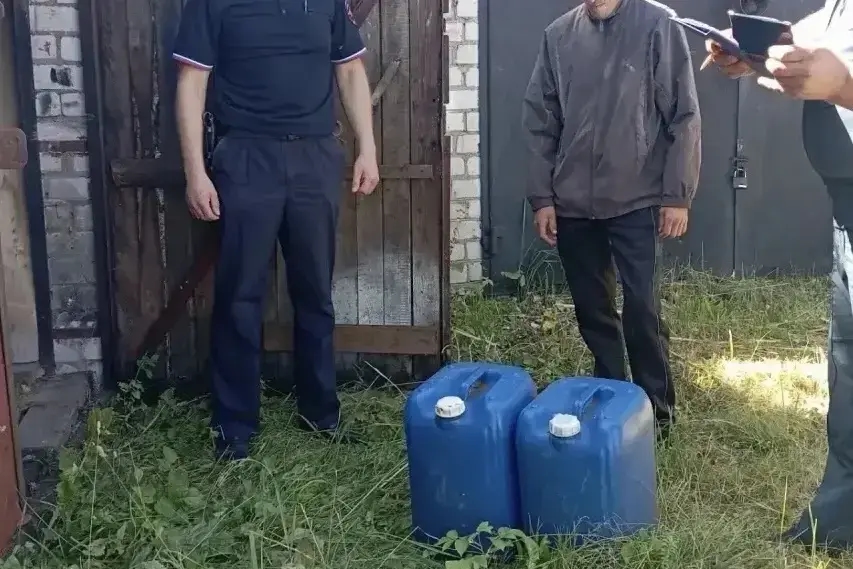
Authorities in Russia’s Pskov Region have begun leveling administrative charges against local residents who store large amounts of gasoline in their garages, with multiple violations found during raids on private homes and garage cooperatives, according to a report by regional governor Mikhail Vedernikov.
Vedernikov said the reports were filed under Article 20.4 of Russia’s Code of Administrative Offenses, which covers violations of fire safety requirements. He did not specify which part of the article garage owners were accused of violating. For a standard fire safety violation, citizens can face a warning or a fine of 5,000 to 15,000 rubles ($64-$191)
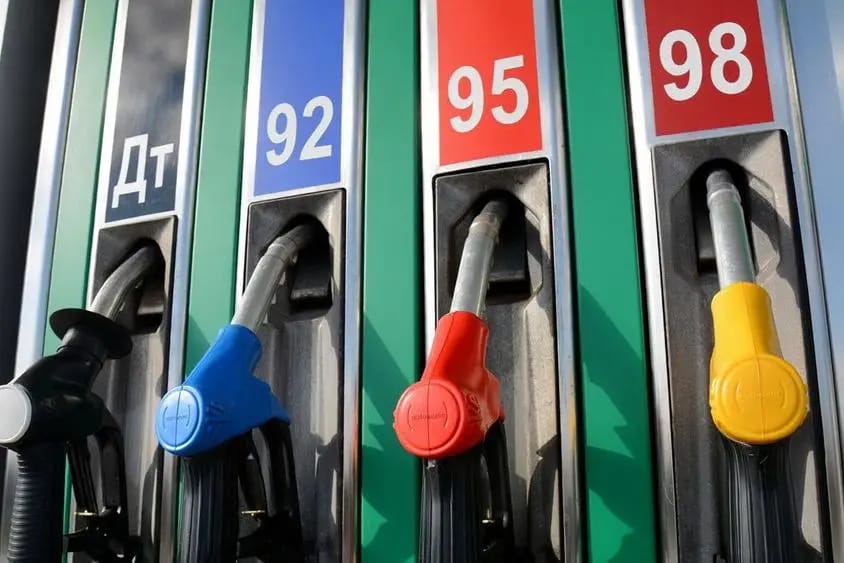
The inspections come amid ongoing fuel shortages in the Pskov region, where local authorities say supplies remain strained in southern districts. In some areas, only Surgutneftegaz gas stations are open, and they have run out of AI-95, a common grade of premium gasoline in Russia. Vedernikov also said the petroleum company Tatneft had promised to increase fuel deliveries to the region.
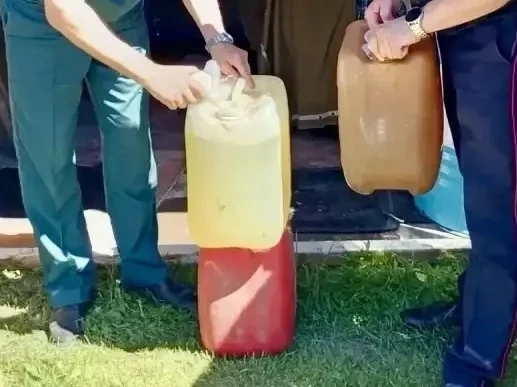
Russia’s fuel crisis has been developing since the spring. By June 30, fuel shortages, sales disruptions, or restrictions at gas stations had been recorded in 88 of the 89 regions controlled by Moscow, including the Russian-occupied parts of Ukraine, according to The Insider’s count. Gas stations introduced limits and banned sales of gasoline in canisters.
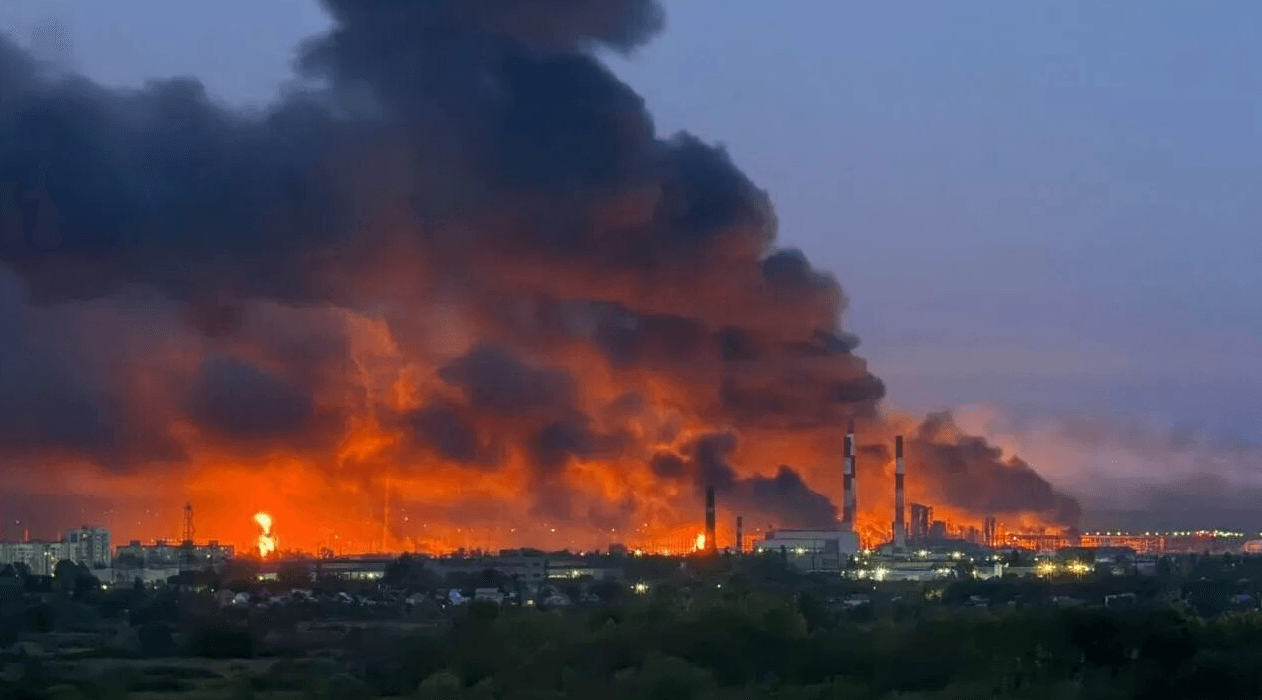
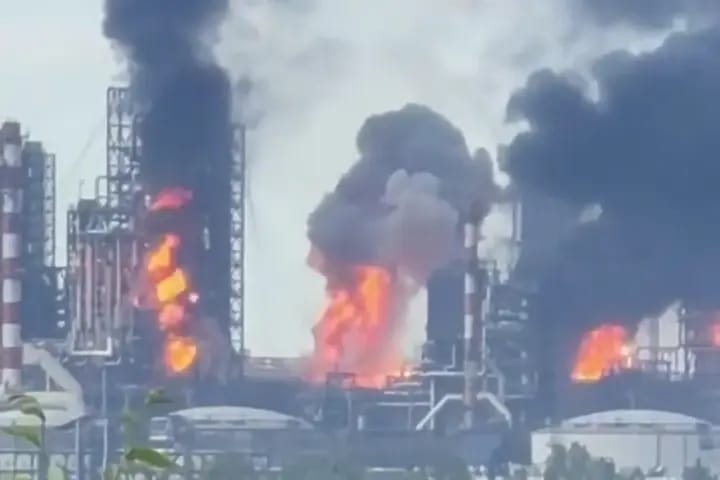
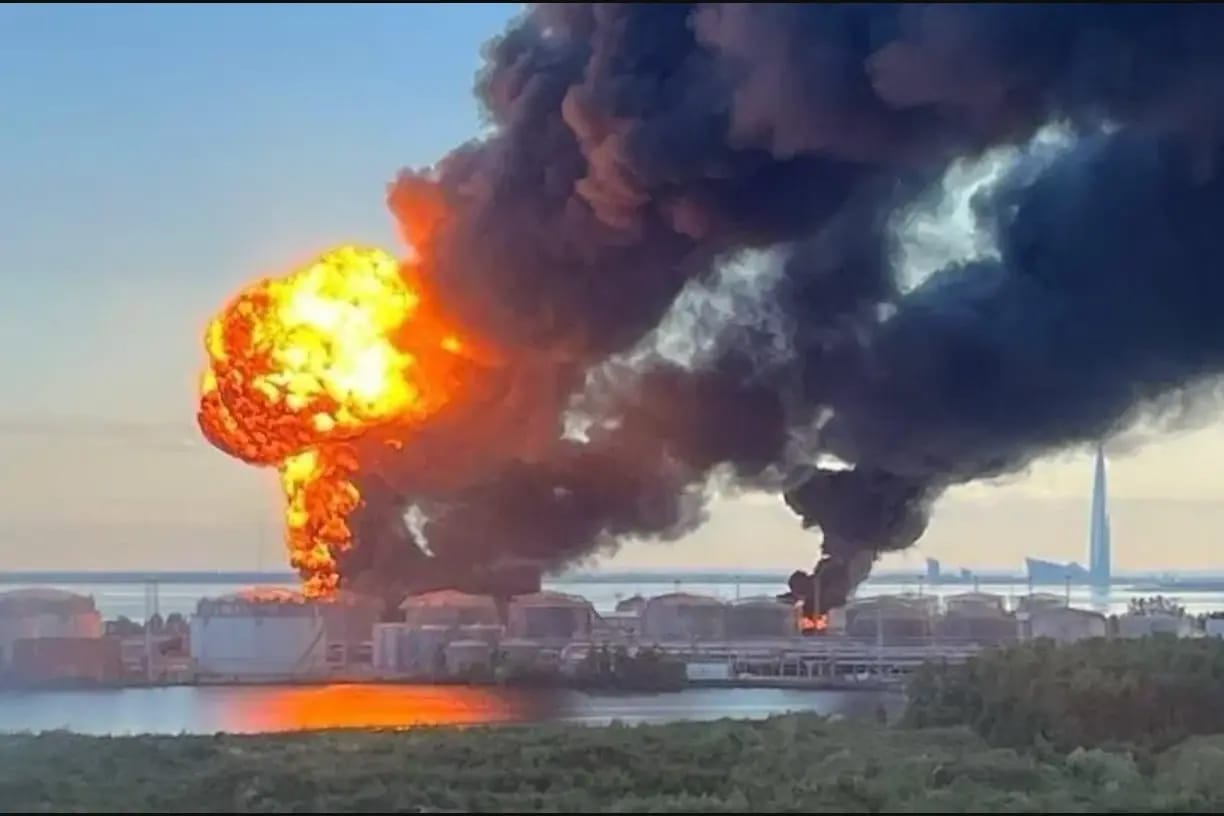
One cause of the crisis has been Ukrainian drone strikes on Russian oil refineries. Since the start of 2026, Russian refineries have been successfully attacked at least 194 times — 11 times more often than during the same period last year, the Financial Times reported. High seasonal demand and logistics disruptions are putting additional pressure on the market.